

Choosing the right cooling system for your home can make a big difference in comfort, efficiency, and cost. Two of the most popular options are central air conditioning and ductless mini-split systems. Here’s how they compare.
1) How Each System Works
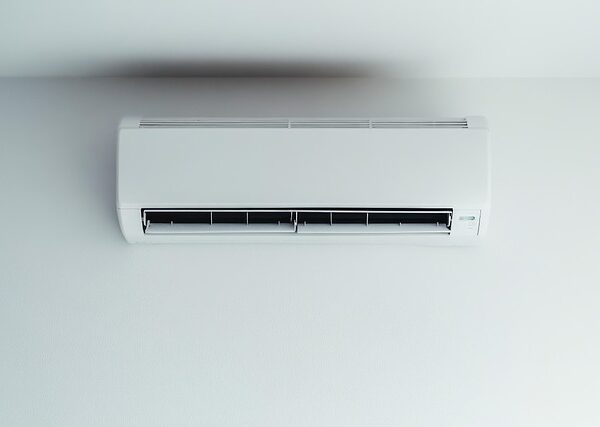
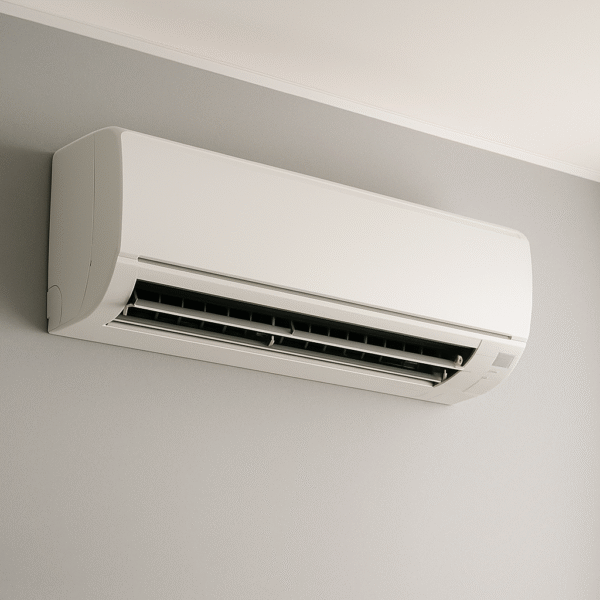
A central air system uses a single outdoor unit connected to ductwork that distributes cool air throughout the entire home. In contrast, a ductless mini-split system features one or more indoor air handlers connected directly to an outdoor compressor through small refrigerant lines—no ducts required.
Central air provides whole-home cooling with one thermostat, while ductless systems offer zone-specific temperature control for greater flexibility.
2) Installation Requirements
Central air systems require existing ductwork, making them ideal for homes that already have a furnace or forced-air heating system. Installing ducts in older or smaller homes can be costly and invasive.
Ductless mini-splits, on the other hand, are much easier to install. They require only a small wall opening for refrigerant and power lines, making them a practical solution for additions, garages, or spaces where ducts aren’t feasible.
3) Energy Efficiency and Operating Costs
Ductless mini-splits are typically more energy-efficient because there’s no energy loss through duct leaks, which can account for up to 30% of cooling energy in a central air system. They also allow you to cool only occupied rooms, reducing wasted energy.
Central air systems, while less efficient overall, can still perform well with proper maintenance and high-efficiency models, especially when paired with programmable thermostats and sealed ducts.
4) Comfort and Temperature Control
Central air provides consistent cooling throughout the home but may result in uneven temperatures if ducts are poorly balanced. Ductless mini-splits shine when it comes to zoning—each indoor unit has its own thermostat, allowing personalized comfort in different rooms or areas.
For households with varying temperature preferences or unused spaces, mini-splits offer superior control and comfort.
5) Maintenance and Aesthetic Considerations
Central air systems require regular duct cleaning, filter changes, and annual professional inspections. Mini-splits are easier to maintain since they lack ducts, but their wall-mounted indoor units are more visible, which some homeowners find less appealing.
Both systems benefit from seasonal tune-ups to ensure efficiency, prevent breakdowns, and maintain good indoor air quality.